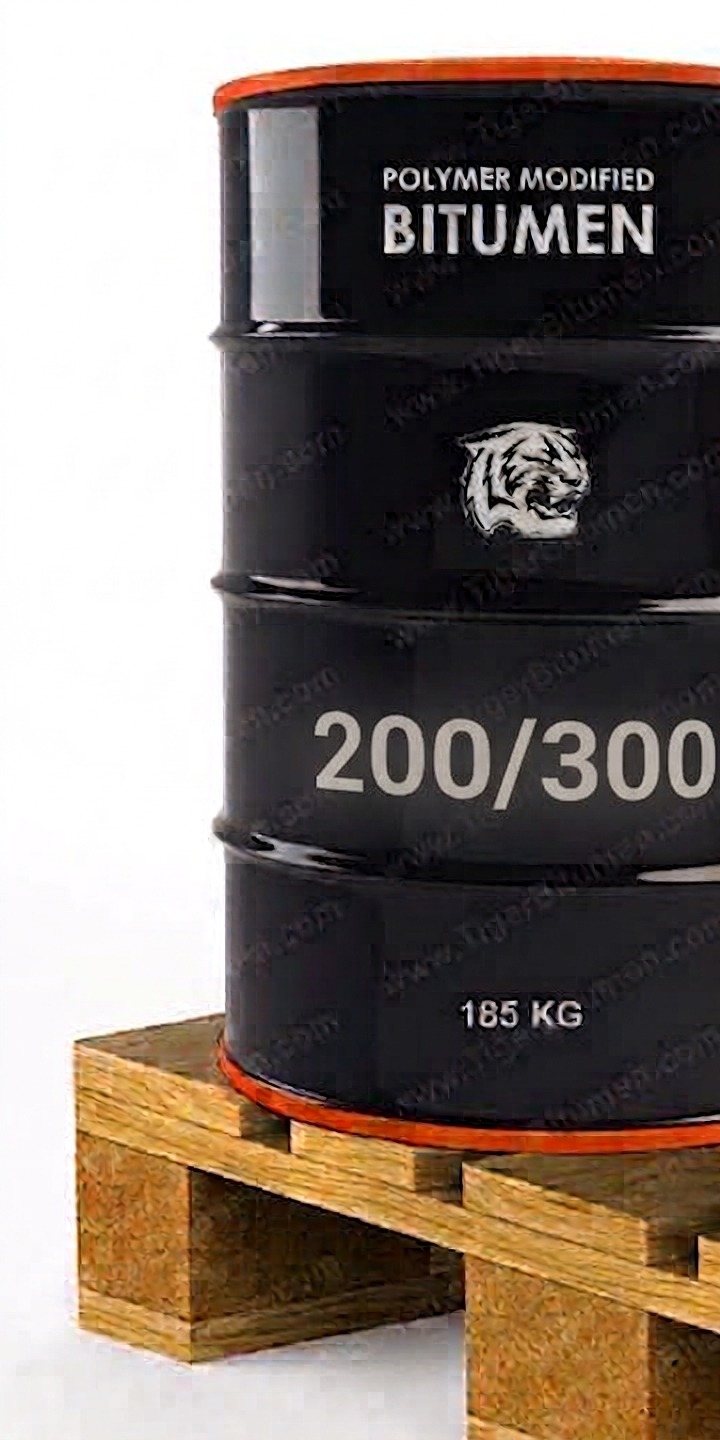
Brazil Bitumen, powered by Tiger Bitumen (HY International Group), is a Polymer Modified Bitumen supplier serving road construction and infrastructure projects. We offer PMB grades ranging from 10/40 to 200/300 for applications that require improved resistance to rutting, cracking and heavy traffic. Our team helps buyers compare available grades, review technical specifications and request export quotations based on their project requirements.
Polymer Modified Bitumen (PMB) combines bitumen with selected polymers to improve its performance under changing temperatures and demanding traffic conditions. Consequently, it can help asphalt pavements maintain flexibility, stability and durability when the correct grade is selected for the application.
For Brazilian road projects, buyers should consider the required performance, local technical specifications and project conditions before selecting a grade. Brazil Bitumen can provide product information and export documentation to support the evaluation process.
Polymer Modified Bitumen is a bituminous binder modified with polymers to improve selected physical and performance properties. Depending on the formulation, these polymers can help enhance elasticity, resistance to permanent deformation and performance across a wider range of operating temperatures.
Common polymer types include styrene-butadiene-styrene (SBS) elastomers and ethylene-vinyl acetate (EVA) plastomers. However, the performance of the finished binder depends on its formulation, manufacturing process, base bitumen and specified test requirements. Buyers can compare PMB options through our Polymer Modified Bitumen product range.
EN 14023 and PMB classification provide a framework for classifying and specifying polymer-modified bitumen according to relevant technical properties. Buyers should review the complete grade designation and technical data sheet rather than relying on the grade name alone. Test results and acceptance criteria should match the applicable project specification.
Although conventional bitumen and Performance Grade (PG) Bitumen can also be used in asphalt applications, their classification systems and selection criteria may differ from those used for PMB. Therefore, engineers should compare the applicable standards and performance requirements before choosing a binder. Buyers can also review our Penetration Bitumen range when comparing different binder categories.
A Polymer Modified Bitumen supplier should provide clear technical information so buyers can assess the product against their intended application and project requirements.
Polymer Modified Bitumen is used in asphalt applications where the binder must meet specific performance requirements. The appropriate grade depends on traffic loading, climate, pavement design and the relevant engineering specification. Review the available PMB grades and technical specifications before selecting a product for your project.
For each application, engineers should evaluate the required binder properties, aggregate compatibility, asphalt mix design and applicable standards. In addition, the selected PMB grade should be supported by appropriate technical documentation.
Projects in Brazil may be subject to technical requirements established by the relevant Brazilian authorities and road agencies. Depending on the project, buyers may need to review applicable requirements from the Agência Nacional do Petróleo, Gás Natural e Biocombustíveis (ANP) and the Departamento Nacional de Infraestrutura de Transportes (DNIT).
ANP and DNIT Technical Requirements
Brazilian bituminous materials may be subject to specific regulatory, testing, documentation and acceptance requirements. References such as ANP Resolution No. 897/2022 and DNIT 129/2011-EM should be checked against the current official documents and the precise material or application covered by the project.
Brazilian polymer-modified asphalt binder specifications may use designations such as 55/75-E, 60/85-E and 65/90-E. Buyers should not assume that these designations are automatically interchangeable with PMB grades such as 10/40 or 120/200. Instead, the relevant test methods, limits and acceptance criteria must be compared before a grade is approved for a project.
Confirming Compliance Before Import
Before placing an order, importers should confirm the applicable Brazilian requirements with the responsible authority, project owner or qualified technical team. They should also verify any relevant supplier, product registration, import authorisation or documentation requirements.
As a Polymer Modified Bitumen supplier, Brazil Bitumen can provide available product specifications and export documentation for review. Final acceptance, however, depends on the applicable regulations, project specifications and the buyer’s technical approval. Buyers can start by reviewing the available PMB product range and identifying the grade that matches their project specification.
When properly formulated and matched to the pavement design, Polymer Modified Bitumen can offer several performance advantages over a conventional binder in selected applications.
Improved Resistance to Rutting
Some PMB formulations offer improved resistance to permanent deformation under repeated traffic loading, especially when the binder matches expected pavement temperatures and service conditions.
Enhanced Elastic Recovery
Elastomer-modified binders can improve elastic recovery. As a result, they may help asphalt mixtures respond more effectively to repeated stresses, depending on the mix design and product properties.
Performance Across Temperature Variations
Polymer modification can improve selected binder properties across a wider temperature range. Nevertheless, actual performance depends on the formulation, grade and site conditions.
Support for Demanding Asphalt Applications
PMB can be suitable for roads and other asphalt applications that require specific resistance to deformation or improved binder characteristics. Engineers should verify these benefits using the relevant test results and pavement design.
Application-Specific Grade Selection
Different PMB grades allow buyers to consider the needs of their projects more precisely. Therefore, the grade should be selected according to the technical specification rather than price or grade designation alone. Review our available Polymer Modified Bitumen grades to compare the options.
Brazil Bitumen offers nine nominal PMB penetration grades, ranging from harder to softer binders. The applicable softening-point class, full grade designation, specifications and availability are confirmed at the quotation stage. Choose the grade specified for your project and review its technical data before ordering. If you are unsure which grade is suitable, share your project requirements with our team for assistance.
Selecting the right grade requires more than comparing product names. Buyers and engineers should evaluate the project conditions, technical requirements and supporting documentation before making a decision.
1. Review the Project Specification
First, identify the required standard, test methods, acceptance limits and binder properties. This step helps ensure that the selected product meets the project’s stated requirements.
2. Consider Traffic Loading
Next, assess traffic volume, heavy-vehicle loading, braking and turning stresses. These factors can influence the performance requirements for the asphalt binder.
3. Evaluate Climate and Pavement Conditions
Consider the expected pavement temperatures, local climate and operating conditions. The selected grade should suit the project’s design and service environment.
4. Check Technical Data
Review the technical data sheet and available test results. Where required, request additional information or independent inspection documentation before approving the material.
5. Confirm Supply and Documentation
Finally, confirm packaging, quantity, delivery terms, required export documents and the buyer’s import requirements. This preparation helps reduce avoidable delays during procurement and delivery.
A reliable Polymer Modified Bitumen supplier should help buyers review available product information and clarify the documentation provided with an export order. You can also review our bitumen packaging options before confirming your shipment requirements.
For international procurement, buyers should review both the technical suitability of the binder and the documentation required for shipment. Brazil Bitumen, powered by Tiger Bitumen (HY International Group), can provide available product and export information to support the purchasing process.
Packaging depends on the selected product, order quantity and agreed shipment arrangements. Buyers can review our bitumen packing page for relevant packaging information and confirm the available option before placing an order.
Export quotations may be prepared using the agreed delivery terms, order quantity, destination port and shipment requirements. Depending on the transaction, buyers may request a CFR or CIF quotation for a Brazilian port. The exact terms, included costs and responsibilities should be confirmed in the quotation.
For current pricing information and quotation enquiries, visit our Bitumen Prices page. Final prices depend on the product grade, quantity, packaging, delivery terms and market conditions at the time of quotation.
To compare PMB options before requesting a quotation, review the Polymer Modified Bitumen category and the specifications for the grade required by your project.
PMB is paving bitumen blended with a polymer, usually an elastomer such as SBS or a plastomer such as EVA. The polymer changes the binder's behaviour at high and low service temperatures and adds elasticity.
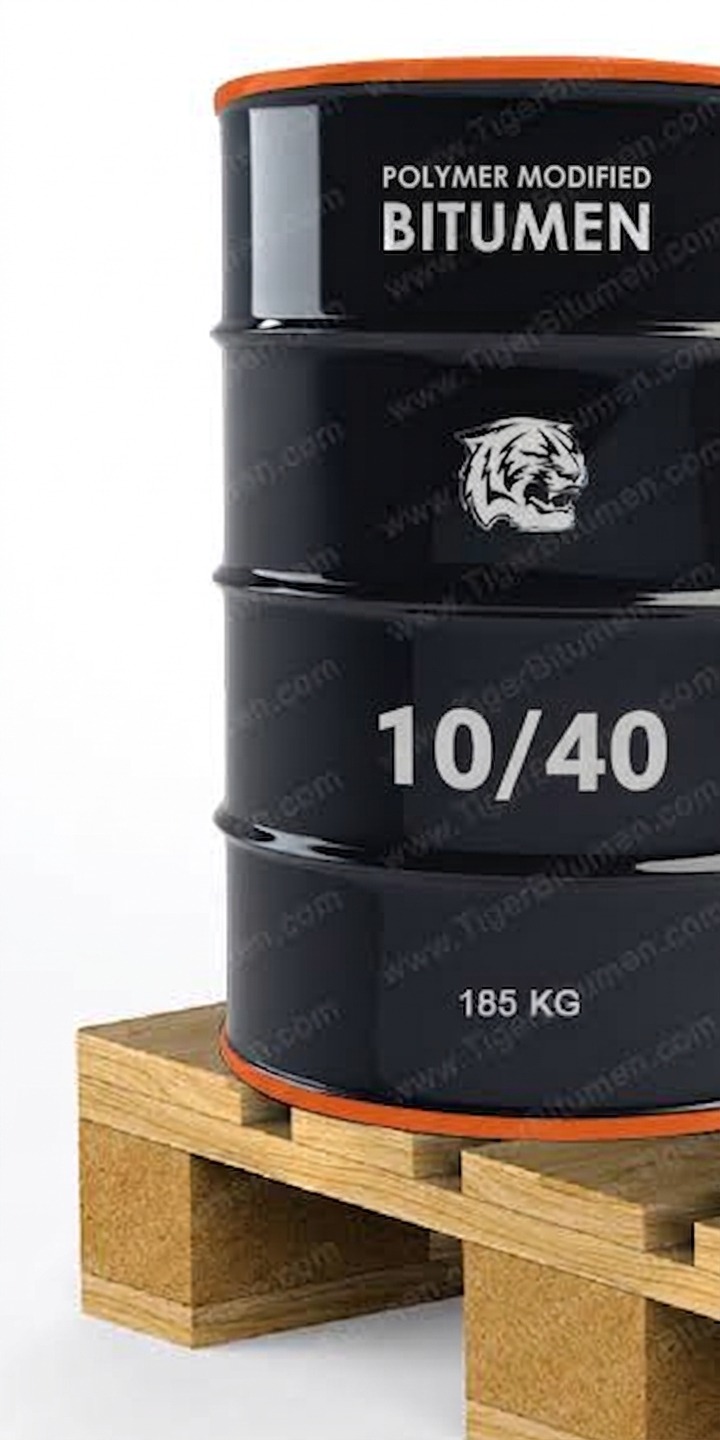
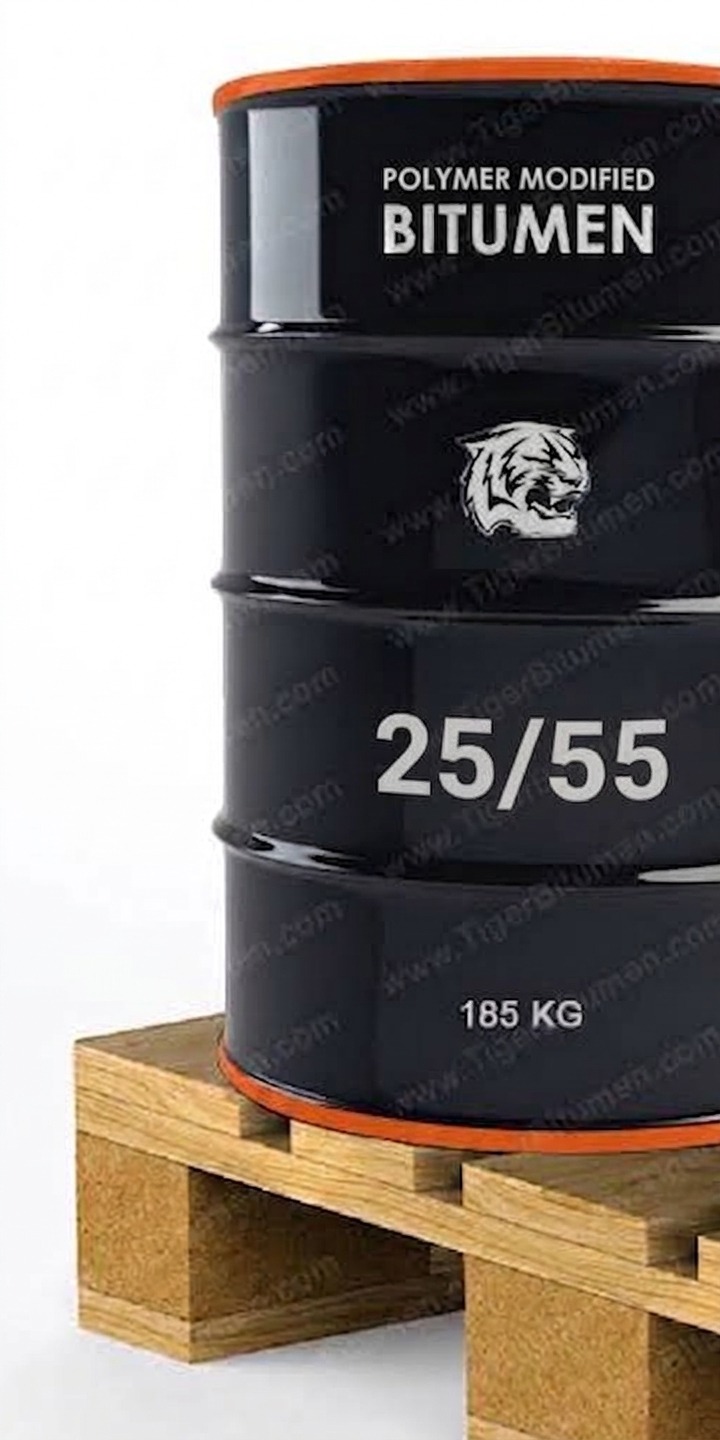
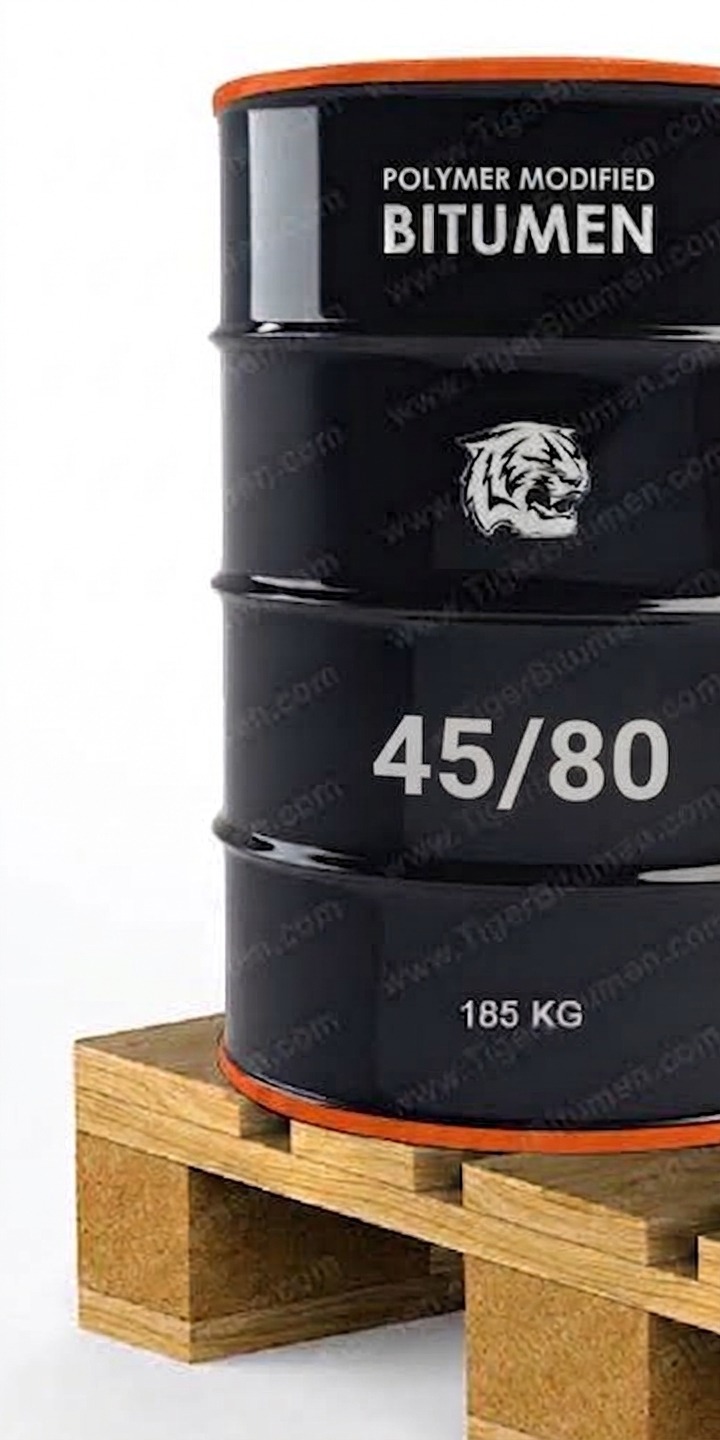
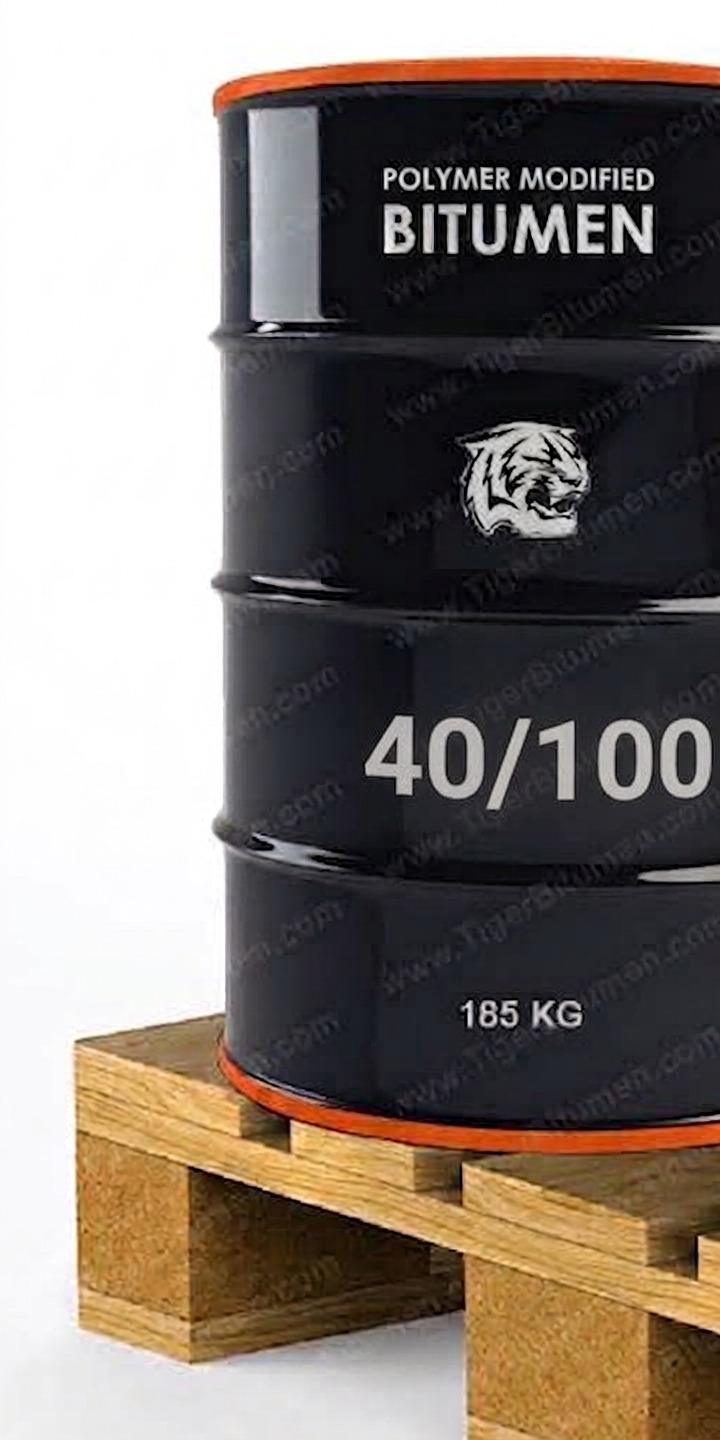
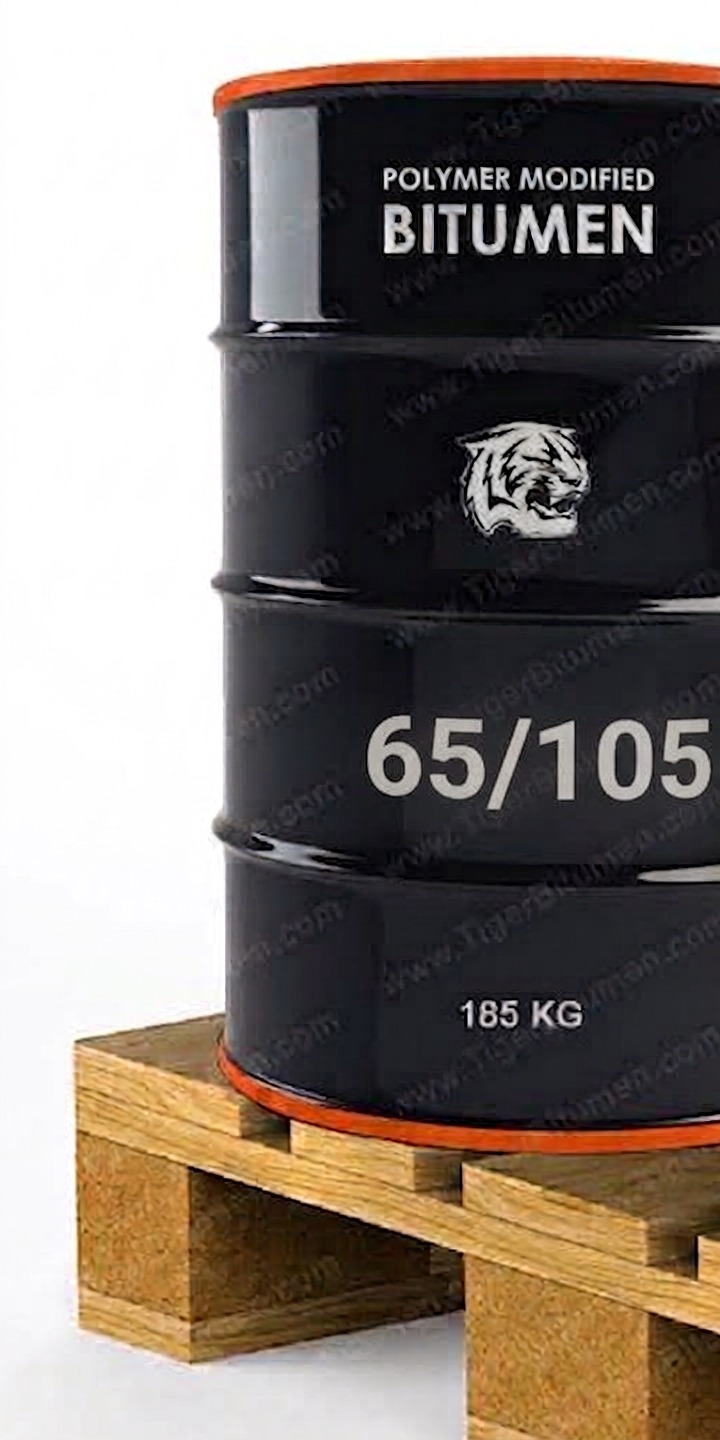
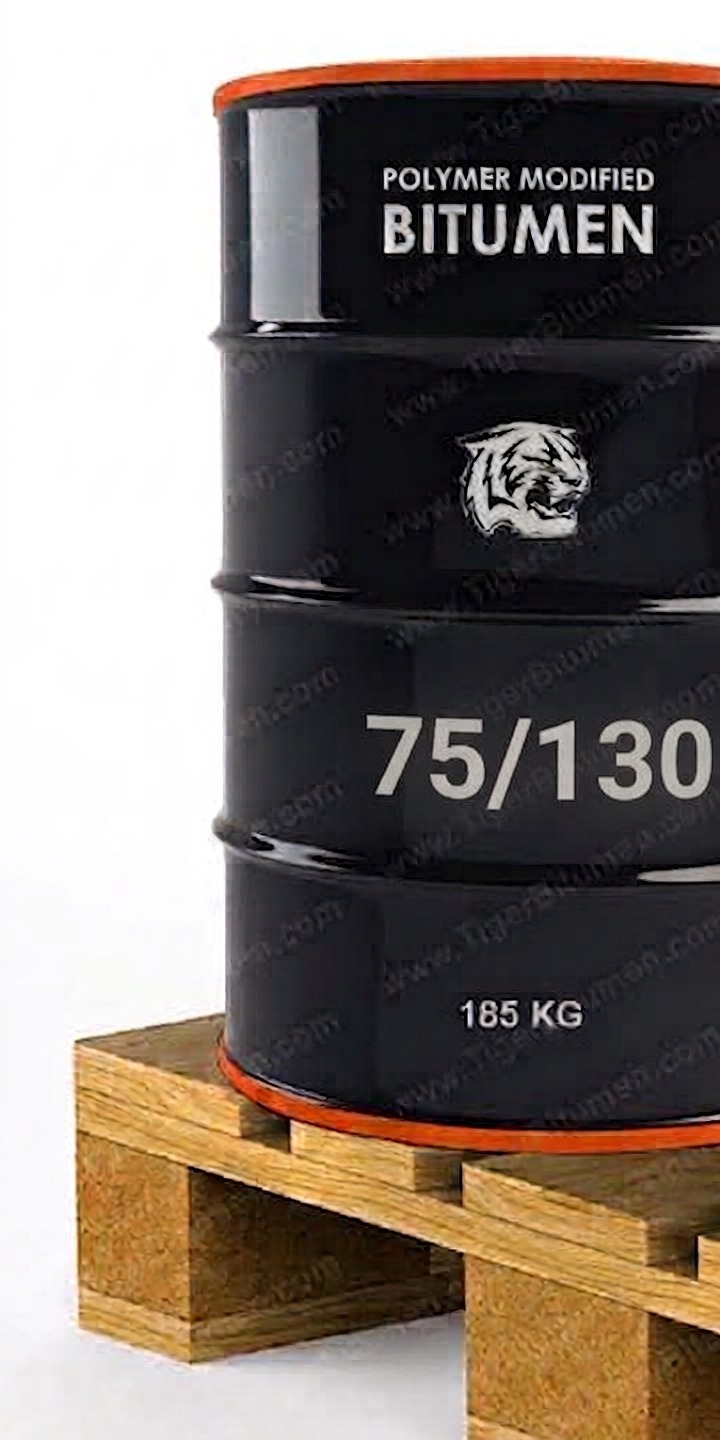
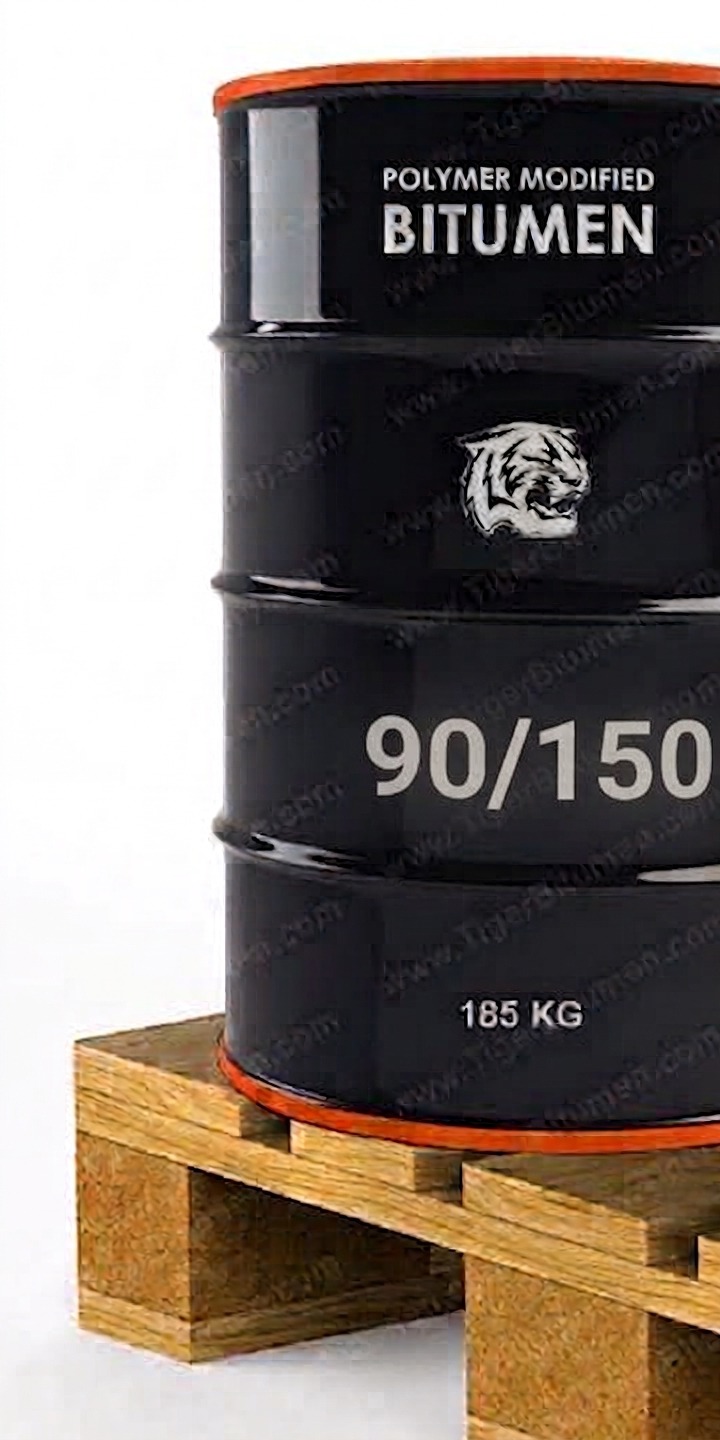
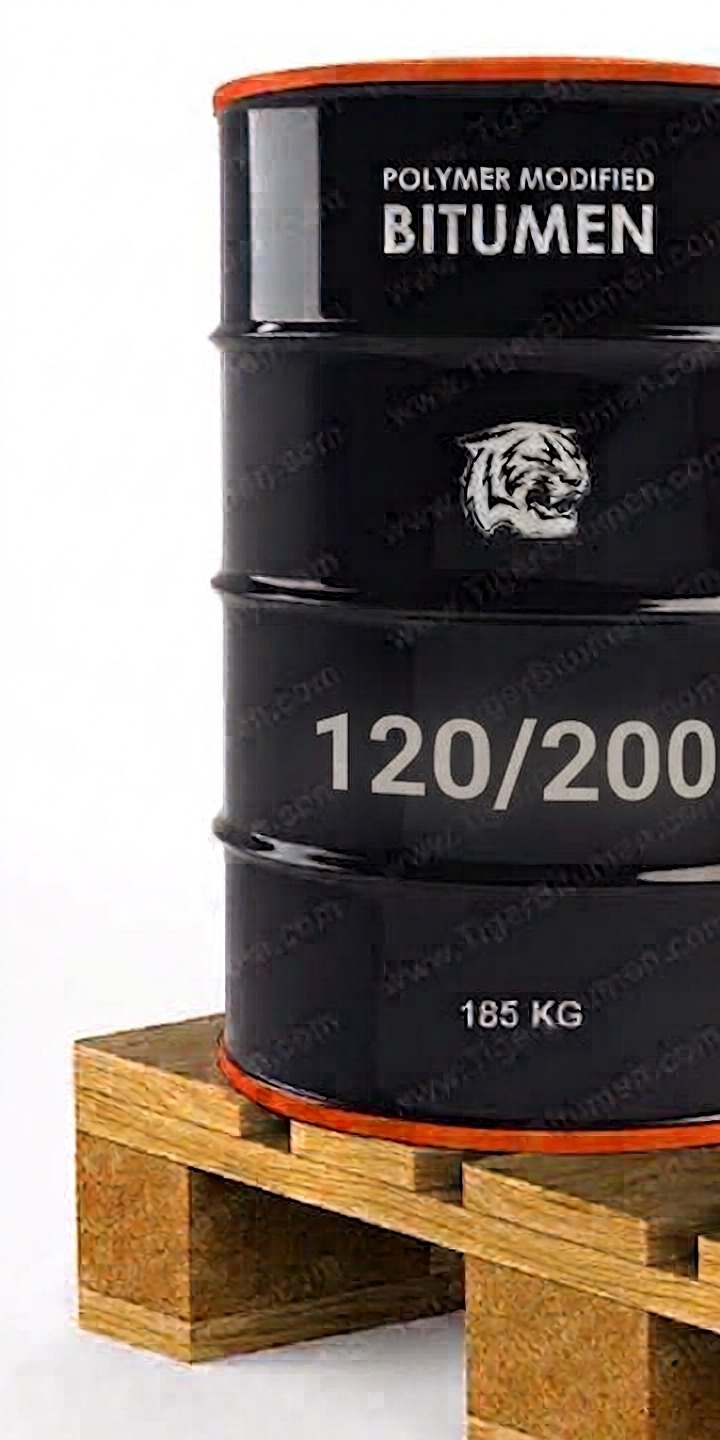
We offer PMB 10/40, 25/55, 45/80, 40/100, 65/105, 75/130, 90/150, 120/200 and 200/300. Availability and full specifications for each grade are confirmed with every quotation.
They give the penetration range at 25 °C in tenths of a millimetre, following the EN 14023 framework. A lower range means a harder binder. A full designation also states the minimum softening point, for example PMB 45/80-55.
Not automatically. Brazilian types are classified by minimum softening point and elastic recovery under ANP Resolution No. 897/2022, while EN grades are named by penetration range. Whether a product meets a Brazilian type depends on its test results. We provide technical documentation so this can be checked before purchase.
Penetration grade bitumen, such as CAP 50/70, is unmodified. PMB is a modified binder intended for more demanding layers, where higher softening point and elastic recovery are specified.
The grade depends on the project specification, climate, traffic and layer type. Share your specification with our team and we will propose a grade and send its technical data sheet.
Yes. Modified binders are commonly specified for stone mastic asphalt and porous or open-graded friction courses. The grade and mix design should follow the project specification.
We provide a technical data sheet, certificate of analysis, safety data sheet and standard export documents. SGS or Bureau Veritas inspection can be arranged on request.
Send us the grade, quantity, destination port and project specification. We will reply with a CFR or CIF quotation and the technical documents for the offered grade.
Looking for a reliable Polymer Modified Bitumen supplier from Brazil for your next road construction project? Tell us the PMB grade, quantity, destination port and project specification. Our team will reply with a CFR or CIF quotation and the technical data sheet for the offered grade.
Visit: www.TigerBitumen.com